Overcoming Creative Block: Strategies from Professional Artists
Creative block is a common experience among professional artists, regardless of discipline. Painters, writers, and musicians often encounter periods where ideas seem distant and momentum stalls. While it can be frustrating, such phases are not necessarily permanent or indicative of a lack of talent. Instead, they can be understood as part of the natural rhythm of creative work, influenced by various internal and external factors.
Interviews with established artists reveal that block is rarely a monolithic obstacle. It may stem from fatigue, perfectionism, external pressures, or simply the need for mental reset. Many professionals describe these moments not as failures but as signals to adjust their approach. Case studies show that those who navigate stagnation often rely on structured methods, mental shifts, and deliberate practice rather than waiting for inspiration to strike.
This article explores strategies used by painters, writers, and musicians to push through stagnation. It includes actionable exercises that can be adapted to different creative fields. The focus is on process-oriented techniques that encourage exploration and reduce pressure, rather than promising guaranteed breakthroughs. By examining how others have moved through block, artists may find approaches that resonate with their own practice.
Understanding the Nature of Creative Block
Creative block can manifest in different ways: a painter may stare at a blank canvas, a writer may struggle to form a sentence, and a musician may find that melodies no longer come easily. Despite these variations, common threads emerge from interviews with professionals. Many describe block as a disconnect between intention and execution, where the inner critic becomes louder than the creative impulse. Others note that block often follows periods of intense output, suggesting a need for recovery and reflection.
Psychologists and creativity researchers often frame block as a state rather than a trait. It can be triggered by stress, boredom, or a lack of clear goals. For artists, the pressure to produce consistently can exacerbate the problem, leading to avoidance and self-doubt. Understanding these underlying factors is a first step toward addressing them. Case studies indicate that artists who acknowledge block as a temporary condition are more likely to experiment with different coping strategies.
It is also important to distinguish between creative block and simple fatigue. When the body and mind are exhausted, rest may be the most appropriate response. However, when block persists despite adequate rest, more active interventions may be helpful. The following sections draw on interviews with painters, writers, and musicians to outline approaches that have been useful in their practices.
Strategies from Painters: Visual Exploration and Constraint
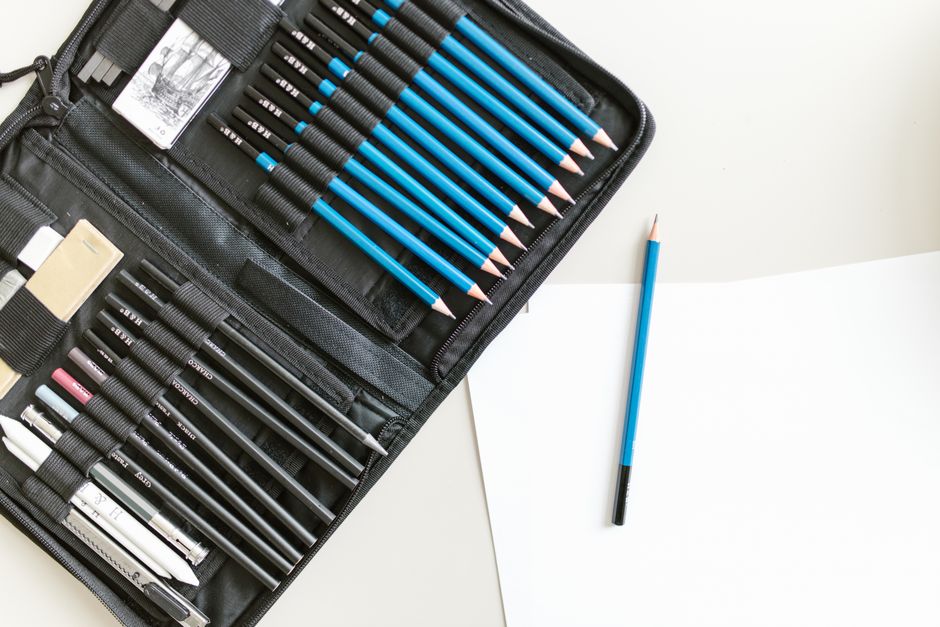
Painters often describe block as a visual impasse, where the next mark or color choice feels impossible. In interviews, several painters mentioned that stepping away from the canvas and engaging in unrelated visual activities can help. For example, visiting a museum, sketching in a park, or browsing art books can stimulate new imagery without the pressure to produce a finished piece. The goal is to feed the visual library and allow connections to form organically.
Another common strategy is to impose constraints. Instead of facing infinite possibilities, painters may limit their palette, work within a specific size, or set a time limit. Constraints can reduce decision fatigue and encourage playful experimentation. One painter described using a timer to make quick studies, which helped bypass the inner critic and generate raw material that could later be refined.
Actionable exercise: Create a series of small studies using only three colors and a single brush. Set a timer for 10 minutes per study and do not judge the results. The purpose is to engage with the medium without attachment to outcome. After several studies, review them for unexpected combinations or shapes that might suggest a new direction.
“Block often comes from trying to control the outcome. When I let go of the need to make something good, I start making something true.” — a painter interviewed for this article.
Approaches from Writers: Freewriting and Routine
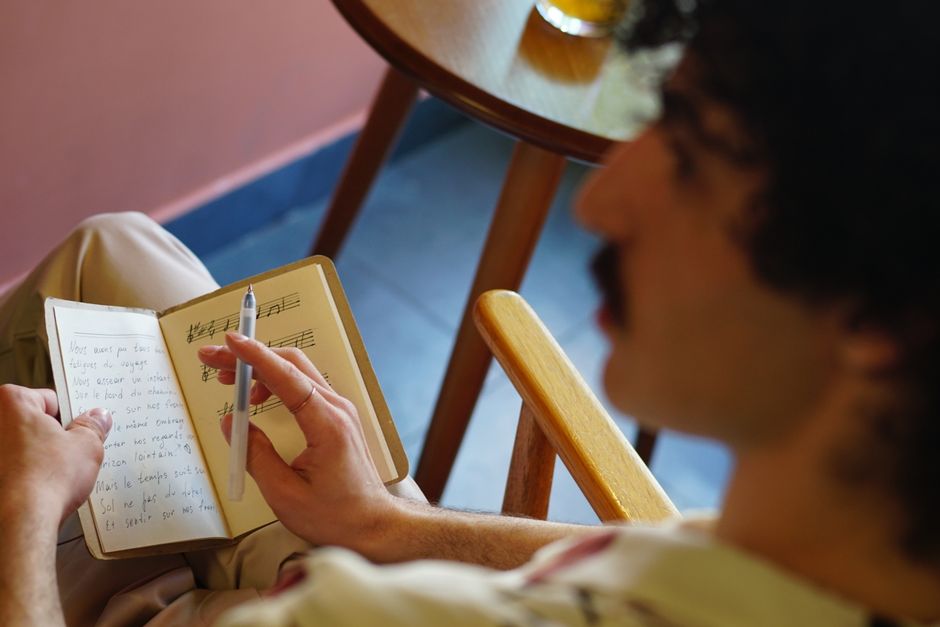
Writers frequently face block due to the internal editor that criticizes every sentence before it is fully formed. Interviews with novelists and poets suggest that separating the drafting and editing phases can be helpful. Freewriting, where one writes continuously without concern for grammar or coherence, is a widely used technique to bypass the inner critic. The goal is to generate text, not perfection. Later, the writer can return with a more analytical mindset to shape the material.
Routine also plays a significant role. Many professional writers maintain a daily practice, even when they do not feel inspired. By showing up at the same time and place, they reduce the friction of starting. Some use prompts or writing exercises to begin a session. Others switch between projects to maintain momentum. The key is to decouple writing from mood and treat it as a craft that can be practiced regardless of how one feels.
Actionable exercise: Set a timer for 15 minutes and write without stopping. Do not delete or correct anything. If you cannot think of what to write, repeat the last word or write about the act of writing itself. After the timer ends, take a short break. Then, read what you wrote and highlight any phrase or idea that seems interesting. Use that as a seed for further exploration.
Case studies show that writers who incorporate regular freewriting into their routine often report a decrease in the frequency and intensity of block. The practice builds a habit of generating text and reduces the fear of the blank page. It also creates a reservoir of raw material that can be mined during more structured writing sessions.
Techniques from Musicians: Improvisation and Collaboration
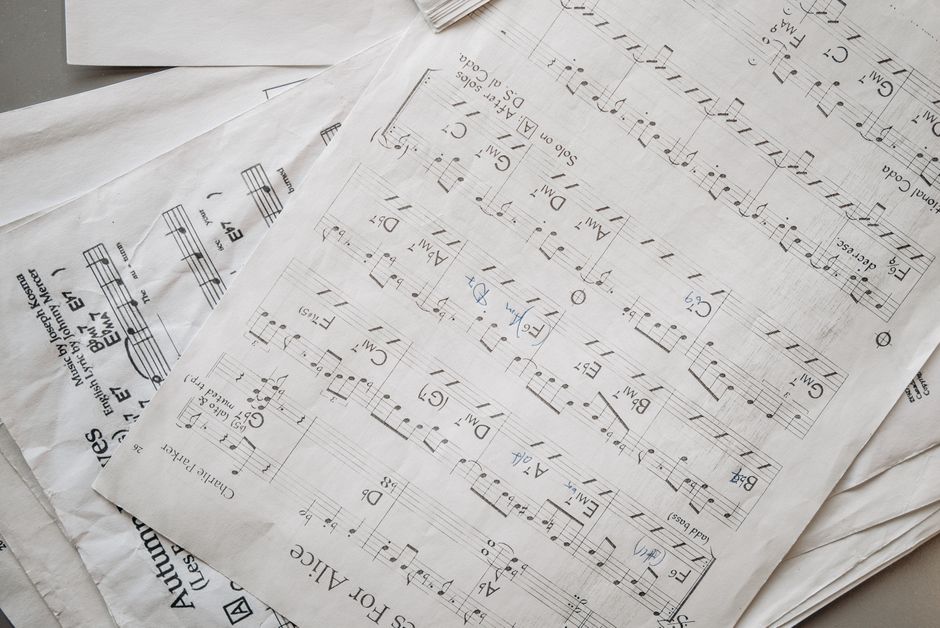
Musicians often experience block as a loss of musical ideas or a feeling that everything sounds derivative. In interviews, many describe the value of improvisation as a way to reconnect with their instrument. Improvisation shifts the focus from composition to spontaneous expression, allowing musical ideas to emerge without judgment. Some musicians record their improvisations and later listen for motifs that can be developed into compositions.
Collaboration is another powerful tool. Playing with others introduces unexpected elements and challenges, which can break habitual patterns. A musician may join a jam session, co-write with a peer, or simply discuss ideas with a colleague. The social aspect can also reduce the isolation that sometimes accompanies block. Case studies highlight that collaboration often leads to new perspectives and renewed energy.
Actionable exercise: Choose a simple chord progression or scale and improvise over it for 10 minutes. Record the session if possible. Do not aim for a finished piece; instead, focus on exploring sounds and rhythms. Afterward, listen back and note any moments that stand out. These can serve as starting points for further development. If recording is not possible, simply repeat the exercise daily and vary one element each time, such as tempo or dynamics.
Another approach is to change the environment. Practicing in a different room, outdoors, or with a different instrument can disrupt routine and stimulate new ideas. Some musicians also use limitations, such as composing with only one string or using a specific rhythmic pattern, to spark creativity.
Common Principles and Adaptability
Across disciplines, several common principles emerge from the interviews and case studies. First, lowering the stakes of a creative session can reduce pressure and allow ideas to flow. Second, establishing a routine or structure can provide a reliable starting point. Third, engaging in playful exploration without a fixed goal often leads to unexpected discoveries. Fourth, seeking input from others can offer fresh perspectives. These principles are not prescriptive but can be adapted to individual preferences and contexts.
It is also important to recognize that different strategies work for different people and situations. What helps a painter may not resonate with a writer, and what works during one block may not work during another. Therefore, a flexible and experimental mindset is valuable. Artists might keep a list of potential exercises and try them when block occurs, noting which ones are effective. Over time, they can build a personal toolkit of approaches.
Finally, it is worth noting that creative block is not a sign of failure. Many professionals experience it periodically, and it can even be a precursor to growth. By approaching block with curiosity rather than fear, artists can use it as an opportunity to reassess their goals and methods. The strategies outlined here are intended as starting points for exploration, not as guaranteed solutions. The effectiveness of any approach depends on various factors, including the artist’s state of mind, environment, and the nature of the project.